Power outages always seem to land at the worst time. It is hot, the AC is working hard, food is in the fridge, someone is on a video call for work, and suddenly the lights blink off and stay off. For many households, late summer and early fall bring strong thunderstorms, hurricanes, and heavy heat that put extra stress on the grid, so these moments are happening more often.
More people are now asking if home battery backup power might be a better fit than a fuel generator. Both can keep your home running when the grid fails, but they work very differently. We will walk through how a home battery system works, how it compares to a generator, when a battery is the better choice, and how to think about sizing a system that fits your home and budget.
How Home Battery Backup Power Actually Works
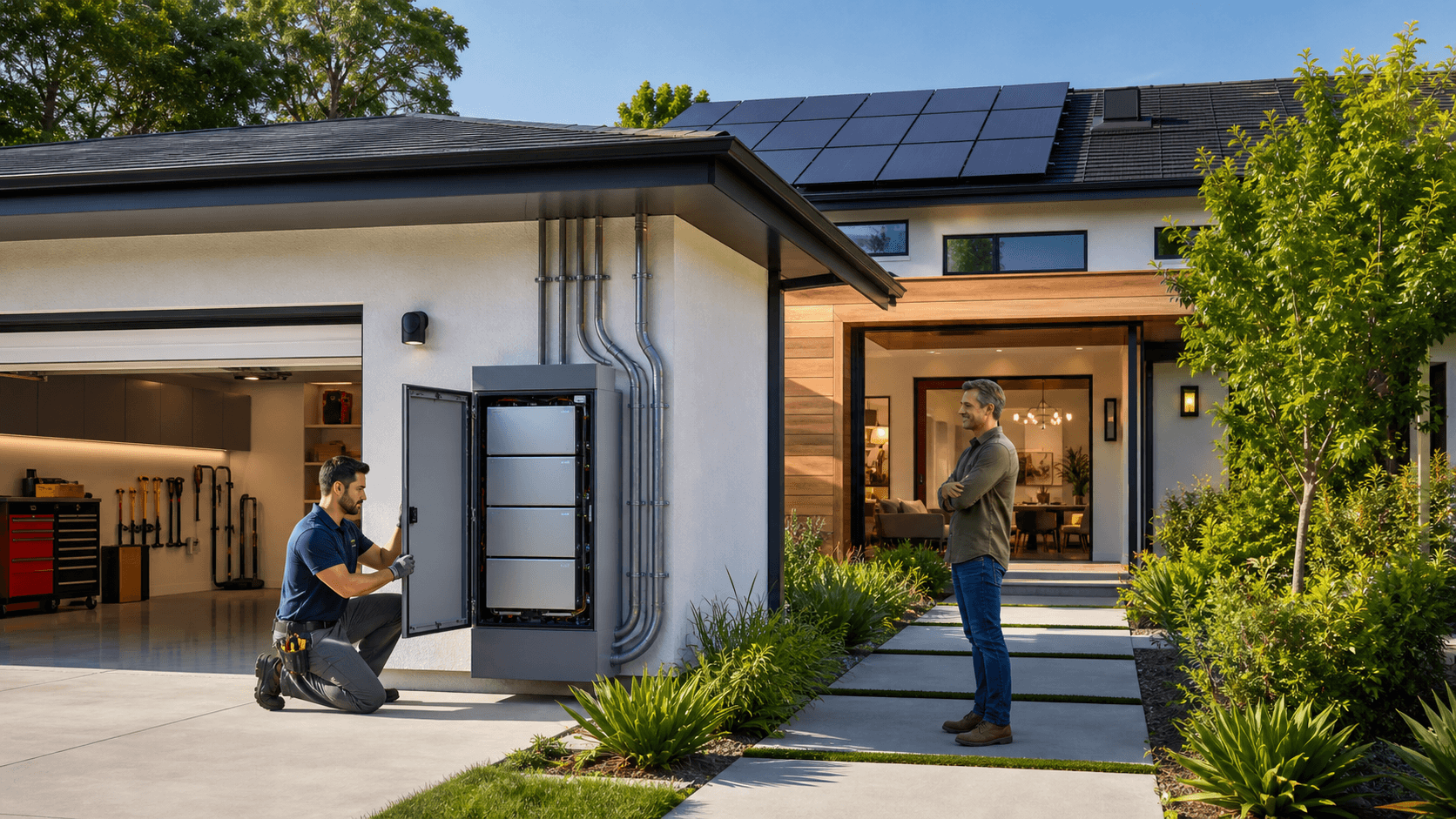
A home battery backup system is like a large, smart rechargeable battery for your house. It stores electricity either from your solar panels or from the grid when power is available. When the grid goes down, the system senses the loss and switches over in a fraction of a second.
Key parts of a typical system include:
- One or more batteries to store energy
- An inverter that turns battery power into regular household power
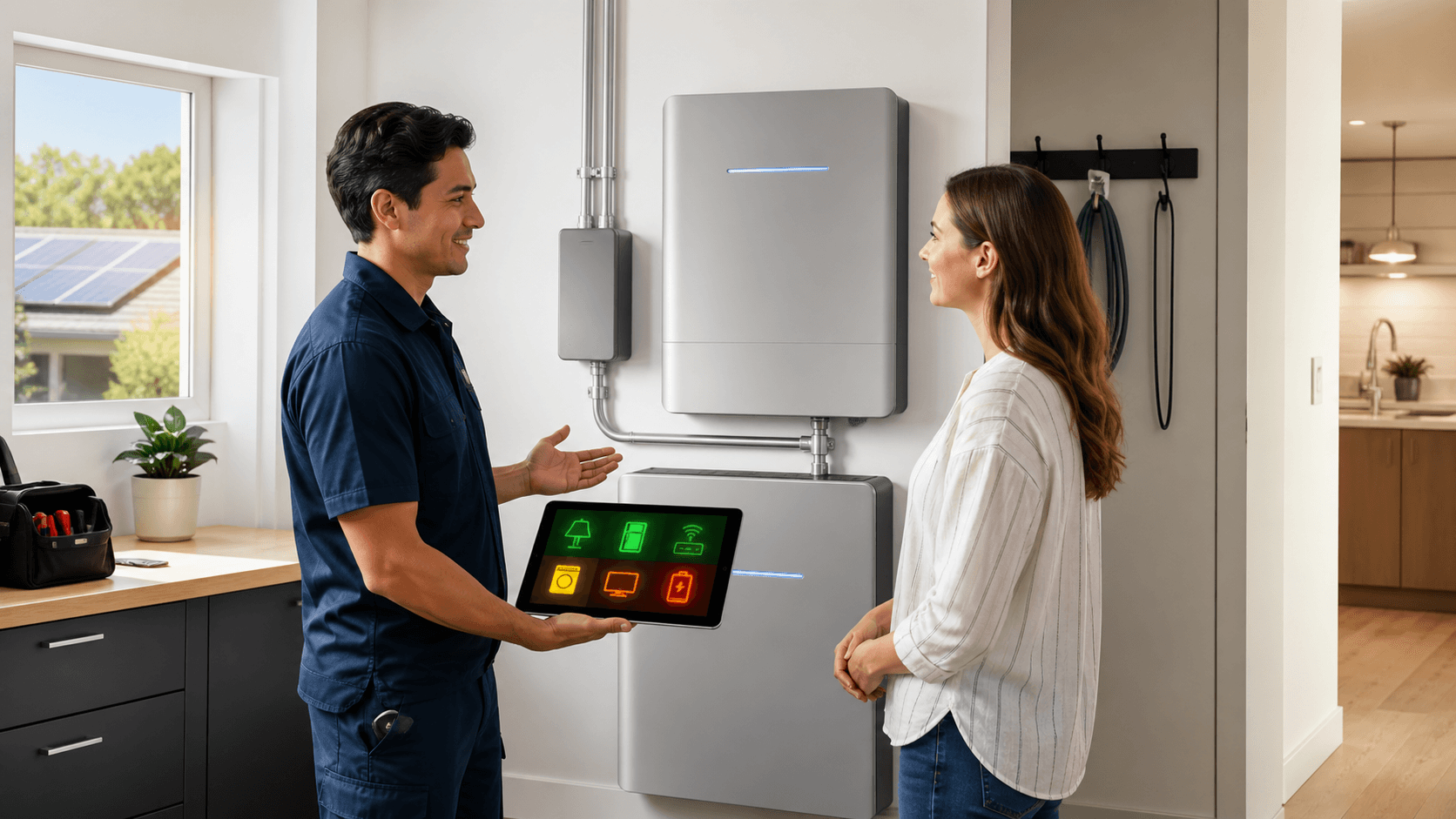
- Smart controls that decide when to charge and when to discharge
- Optional rooftop or ground-mount solar panels to refill the battery during the day
From your side of the wall, it feels simple. The lights stay on. The fridge keeps running. Your internet, phone chargers, and even a well pump can keep working, depending on how the system is set up. There is no pull cord to yank, no fuel cans to haul out of the garage, and no fumes or loud engine outside your bedroom window.
Home Battery vs. Generator Pros, Cons, and Costs
Both batteries and generators keep electricity flowing when the grid goes dark, but they do it in very different ways.
On reliability and runtime:
- Generators depend on fuel and many moving parts. If gas or propane is hard to find during a storm, runtime can be limited.
- A battery has no engine or oil, so there is less that can break. When paired with solar, your system can recharge during the day, which can stretch backup power for longer outages.
- Actual backup time depends on battery size and what you keep running, so smart load choices matter.
On comfort, noise, and air quality:
- Generators make noise and put out exhaust, so they must stay outside and away from windows. That can be tough in small yards or close neighborhoods.
- Home battery backup power is quiet and emission free. For families with kids, pets, or anyone with breathing issues, that can feel much more comfortable during an overnight outage.
On cost and upkeep over time, the tradeoffs are different:
- Many portable generators have a lower starting cost, but they need fuel, oil changes, and periodic service to stay ready.
- A home battery system usually has a higher upfront install cost, but day to day it can run with far less hands-on care, especially when paired with solar.
- Some homeowners also like that a battery can help them use more of their own solar power, not just act as a backup plan.
Signs a Home Battery Backup Is the Better Choice
Home battery backup power is not only for off-grid cabins. It can be a strong choice for regular homes, especially when outages are frequent or long.
You might lean toward a battery system if:
- Your area gets a lot of late summer and fall storms, coastal hurricanes, or planned shutoffs because of wildfire risk.
- You rely on electricity to work from home, power a well pump, or keep medications cool.
- You live in a dense neighborhood where a loud generator running all night would cause stress.
Many people also care about how their backup power affects the planet. A battery paired with solar supports more independent, low-carbon living and cuts the need for gasoline or diesel. It sits quietly in the background, ready to protect your home without turning your backyard into a small engine lot.
If you want low-hassle, quiet protection, a battery system can fit very well. There is no standing in the rain pulling a starter cord, no storing fuel, and no late-night engine noise when everyone is trying to sleep.
When a Generator Still Makes Sense for Your Home
There are times when a generator still fits better. Every home is different, and it helps to be honest about your power needs and habits.
A generator might be the better tool if:
- Your home has very high loads, like large central AC systems, electric heat, or heavy equipment that all need to run at once.
- You have a rural property or cabin with rare but very long outages and no solar or grid access available.
- You need a quick, lower-cost stopgap to cover the next storm season while you plan for a longer-term solar and battery setup.
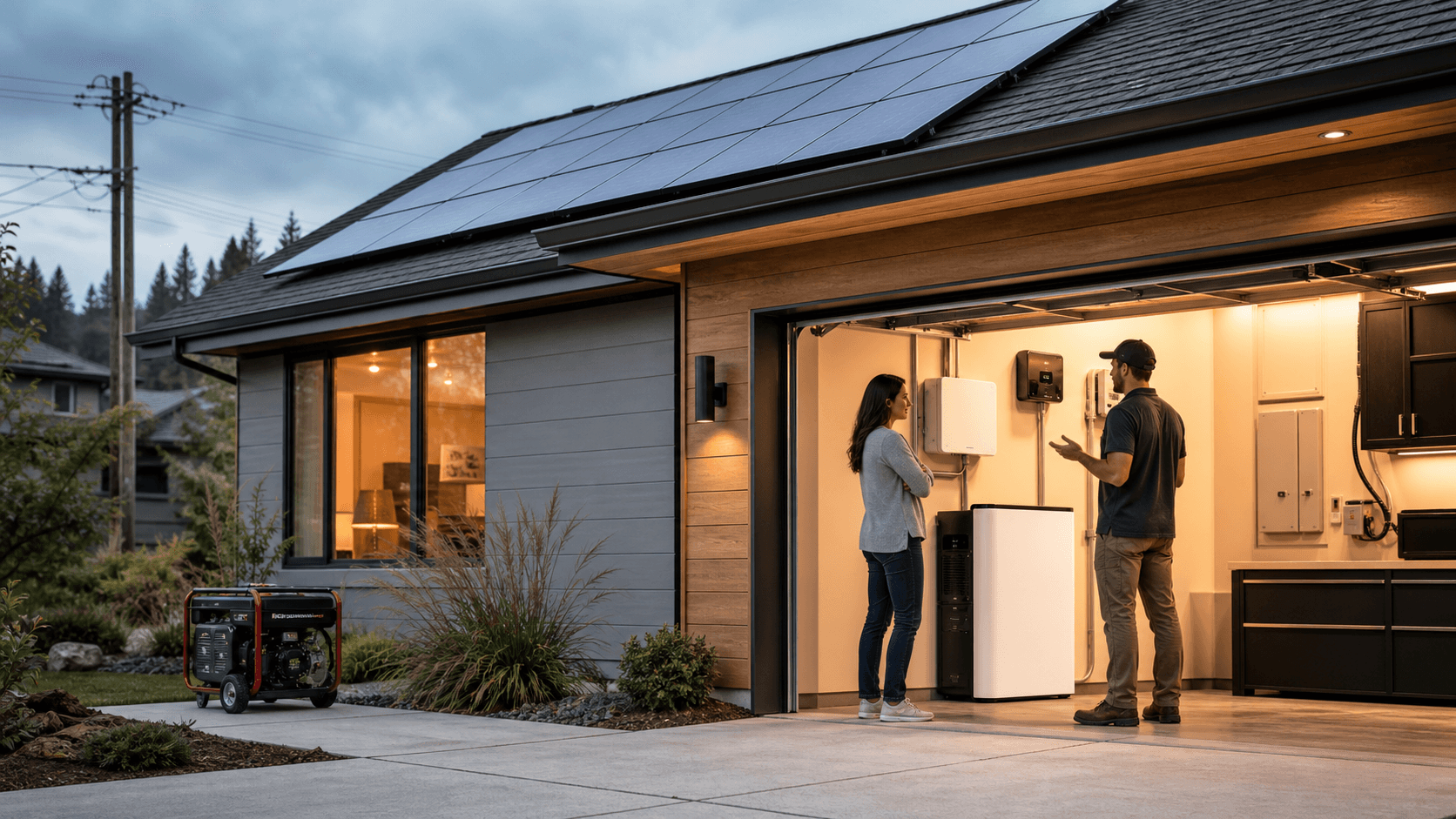
Some households even choose a combined approach, using a smaller battery system for quiet, automatic everyday backup and a generator as a second layer for very long or rare events. Whatever path you pick, it is important that all equipment is installed safely and meets local code.
How to Right-Size a Home Battery Backup System
If you feel a home battery might fit your life, the next question is how large it should be. The goal is not to power everything forever. It is to keep what matters most running through typical outages where you live.
A good way to start is to list your critical loads, such as:
- Refrigerator and freezer
- Medical devices or powered health equipment
- Internet router and a few key outlets
- Well pump or small sump pump, if you use one
- Some lighting and basic kitchen items
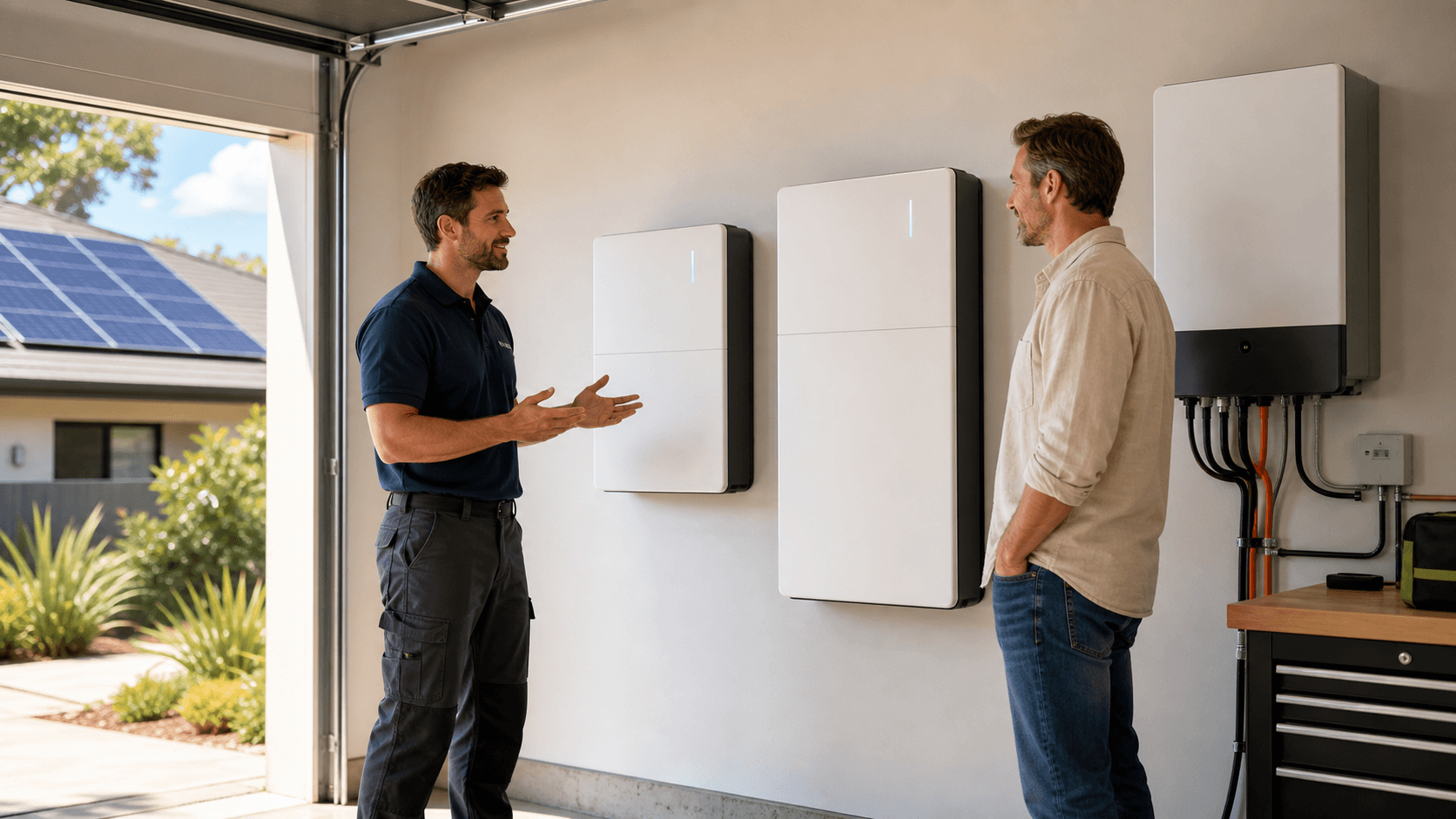
Once you know your must-haves, a professional can help estimate how much energy those items use in a day. That helps match battery capacity to your normal outage length. If your area usually sees a few hours without power, a single battery may be fine. If outages often stretch to a full day or more, stacking multiple batteries and adding solar can make more sense.
Planning for solar from the start gives you more flexibility. During daytime outages, solar can recharge your battery so you are not just draining a fixed amount and hoping it lasts. It can also cut bills over the long term and grow with your household as needs change.
Make a Resilient Energy Plan Before the Next Storm Season
As late summer heat builds and storm patterns shift, it helps to think ahead instead of waiting for the next blackout to hit. Losing power is stressful, but building a clear backup plan does not have to be.
Start by gathering a few simple pieces of information:
- Recent power bills to understand your daily usage
- A list of critical circuits and devices that must stay on
- Notes on how often and how long outages usually last where you live
With that in hand, you can compare generator and battery options in a more focused way and explore how solar might fit into your long-term plans. At Green Vista Living, we spend our days working with off-grid and sustainable power products, and we know how important it is for every home to feel safe, calm, and prepared when the grid goes down.
Protect Your Home With Reliable Backup Power Today
If you are ready to keep your lights on and essentials running during outages, explore our home battery backup power options tailored to your home's needs. At Green Vista Living, we help you understand your energy usage so you can choose a system with confidence. Reach out anytime through our contact page and we will walk you through sizing, installation, and next steps.